The best memory card reader for you depends on which card formats you use and how you connect it to a computer or phone. These picks range from compact SD and microSD adapters to a multi-format desktop reader and a standalone viewer, so check slots and host compatibility first.
Quick Top Products
SABRENT USB-C & USB-A SD/Micro SD Card Reader
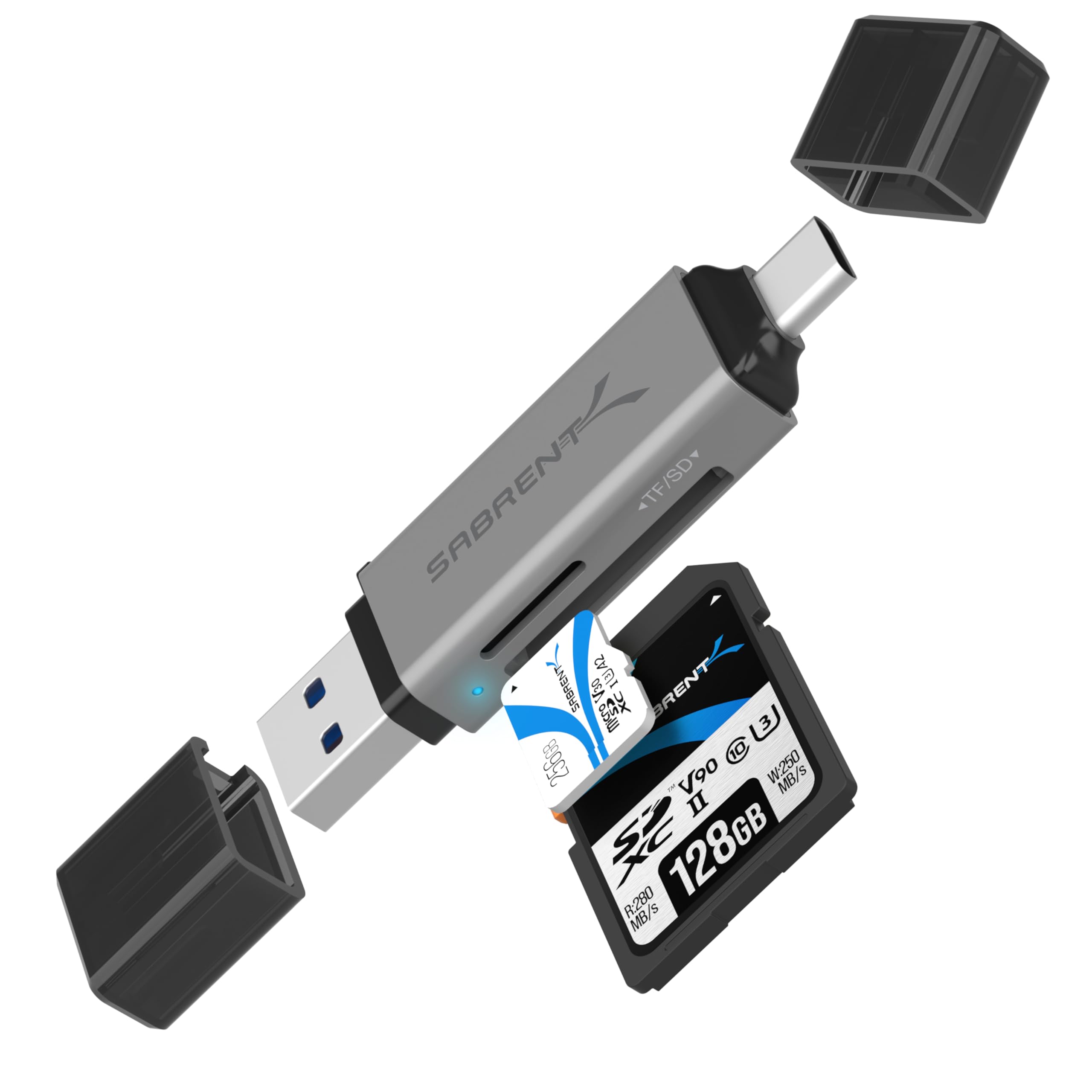
- Has both USB-C and USB-A connections for different host devices.
- Reads SD and microSD cards, including SDXC and microSDXC.
- Uses USB 3.0 and supports plug-and-play file access.
Best For: People who move SD and microSD files between newer USB-C devices and traditional USB-A computers.

SABRENT USB-C Dual-Slot UHS-II Card Reader
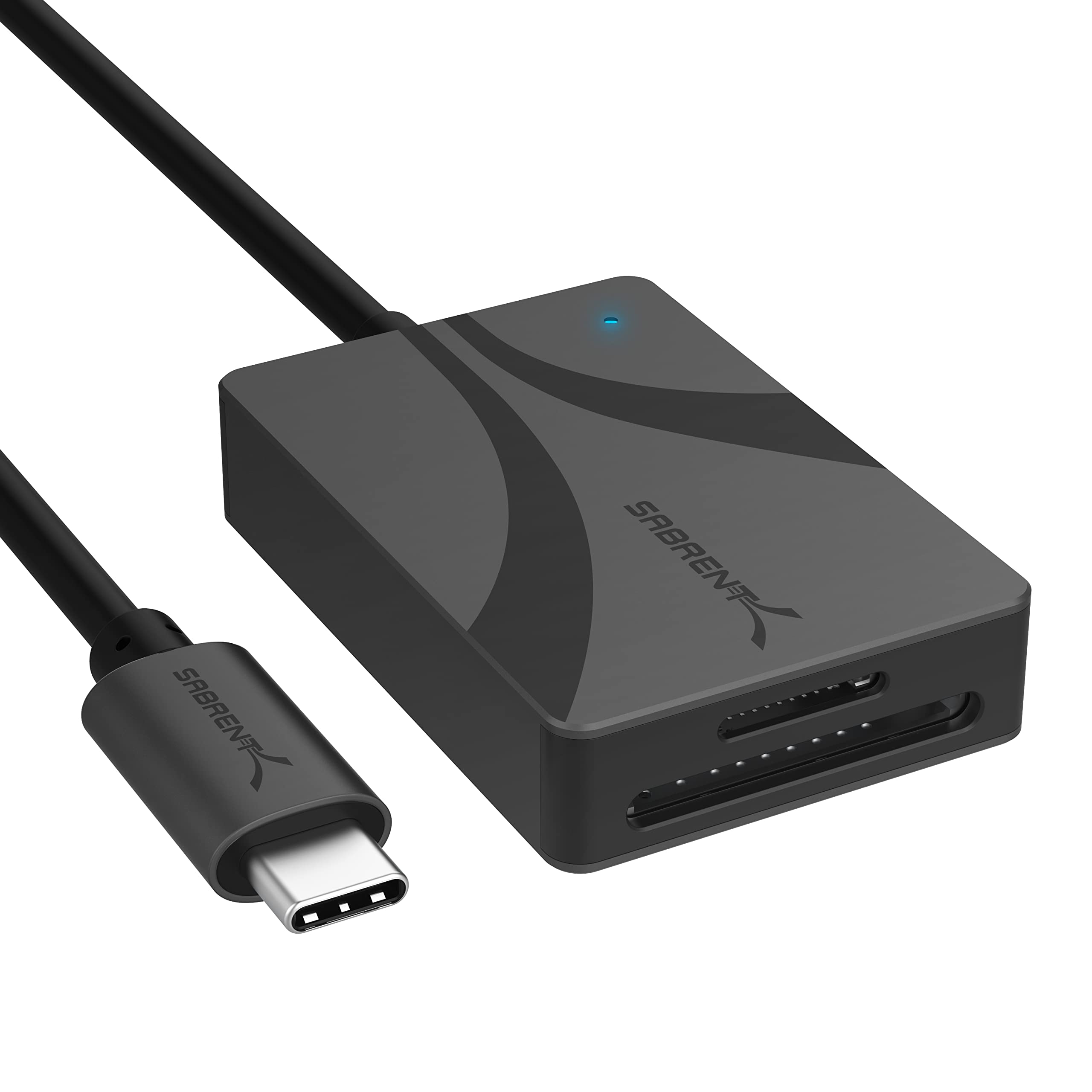
- Supports SDXC UHS-II and microSD cards with speeds up to 312MBps.
- Can transfer content through both card slots at once.
- Includes a built-in 6-inch USB-C cable and needs no extra power supply.
Best For: Photographers using SD and microSD cards who want a USB-C reader with UHS-II support.
SABRENT SuperSpeed 2 Slot USB 3.0 Reader
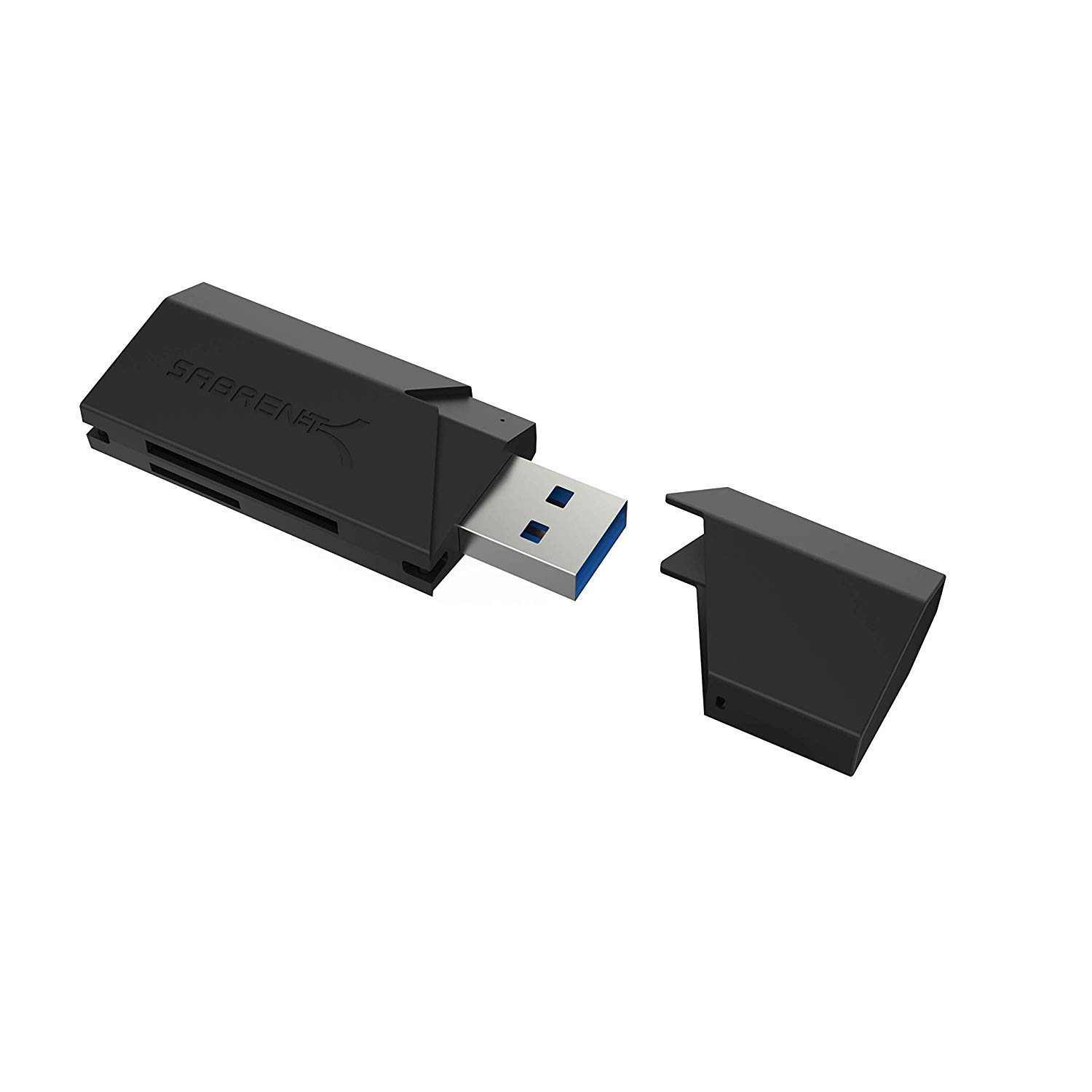
- Supports SD, SDHC, SDXC, MMC, microSD, and T-Flash.
- Uses USB 3.0 and works with USB 2.0 hosts.
- Runs from the USB port and requires no installation.
Best For: Users who need a basic USB reader for SD, microSD, MMC, or T-Flash cards.
SABRENT USB 3.0 Micro SD and SD Card Reader
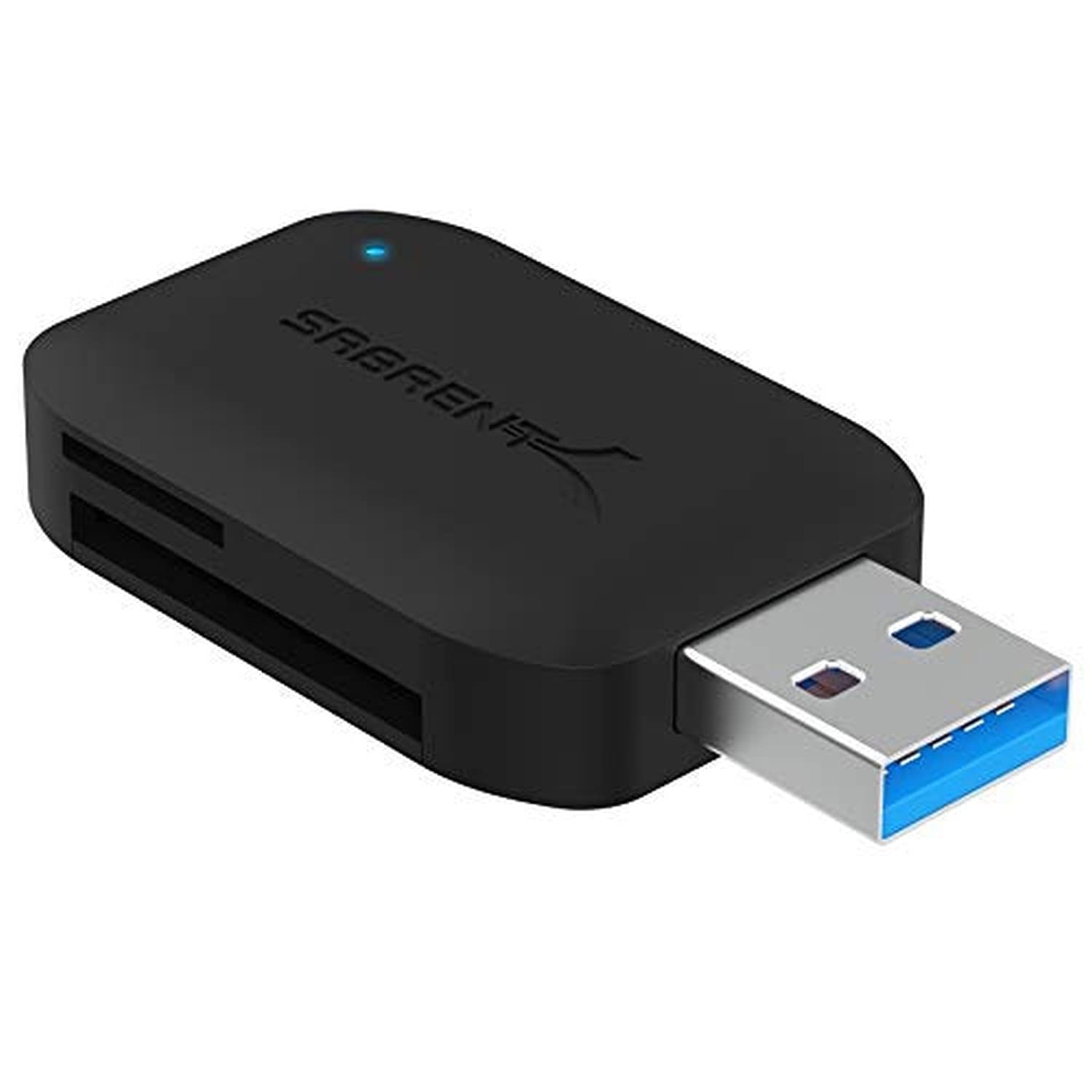
- Reads SD and microSD cards, including UHS-I cards.
- Supports reading two cards simultaneously.
- Offers USB 3.0 transfers up to 5Gbps and backward compatibility.
Best For: People who want simultaneous access to SD and microSD cards through USB-A.
SABRENT 75-in-1 Multi Flash Card Reader/Writer
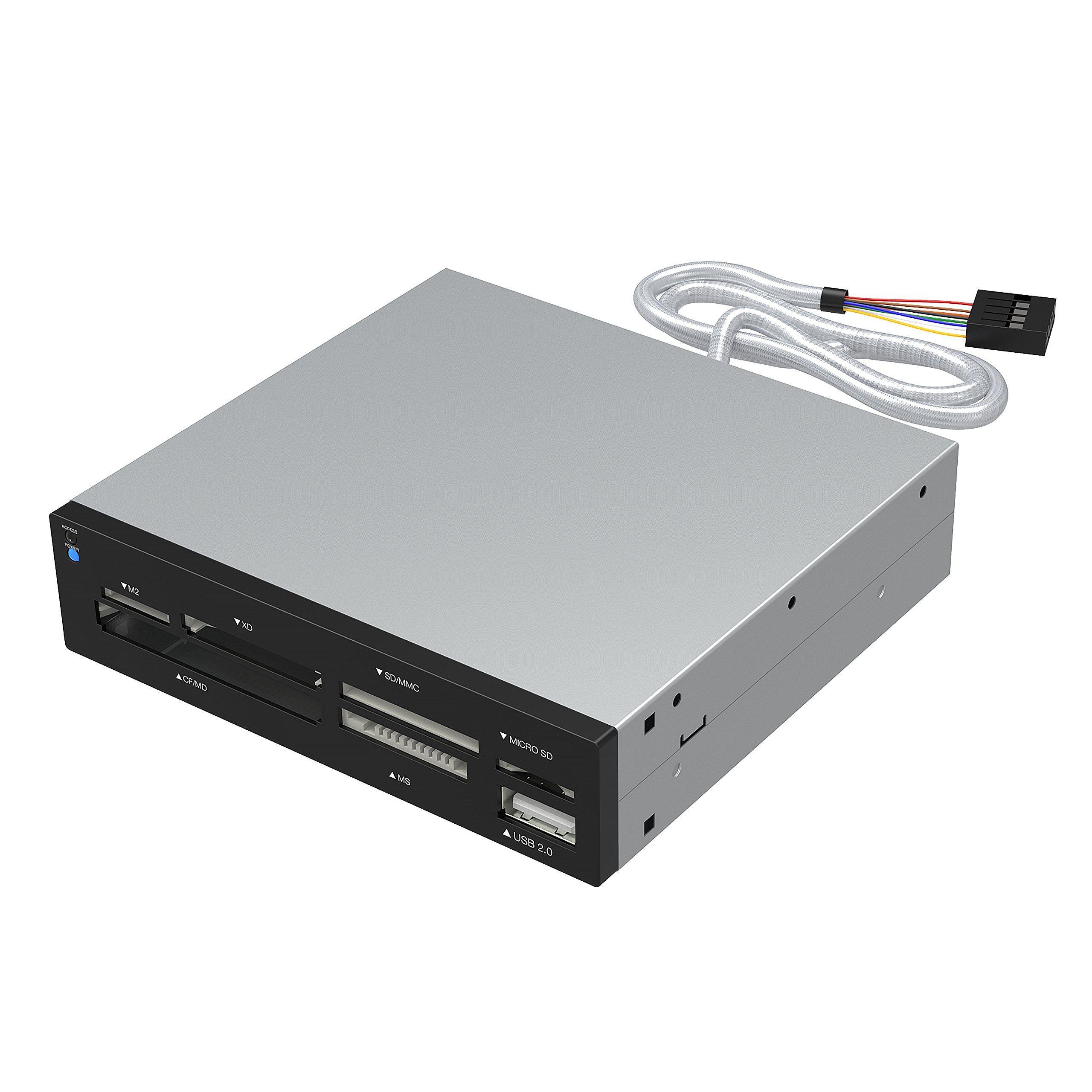
- Supports 74 different types of memory cards across six slots.
- Includes formats such as M2, xD, SD, microSD, CF, and MS.
- Has an additional USB 2.0 port.
Best For: Users handling a mix of current and older memory card formats from one reader.
Muddy CRV3 HD SD Card Viewer
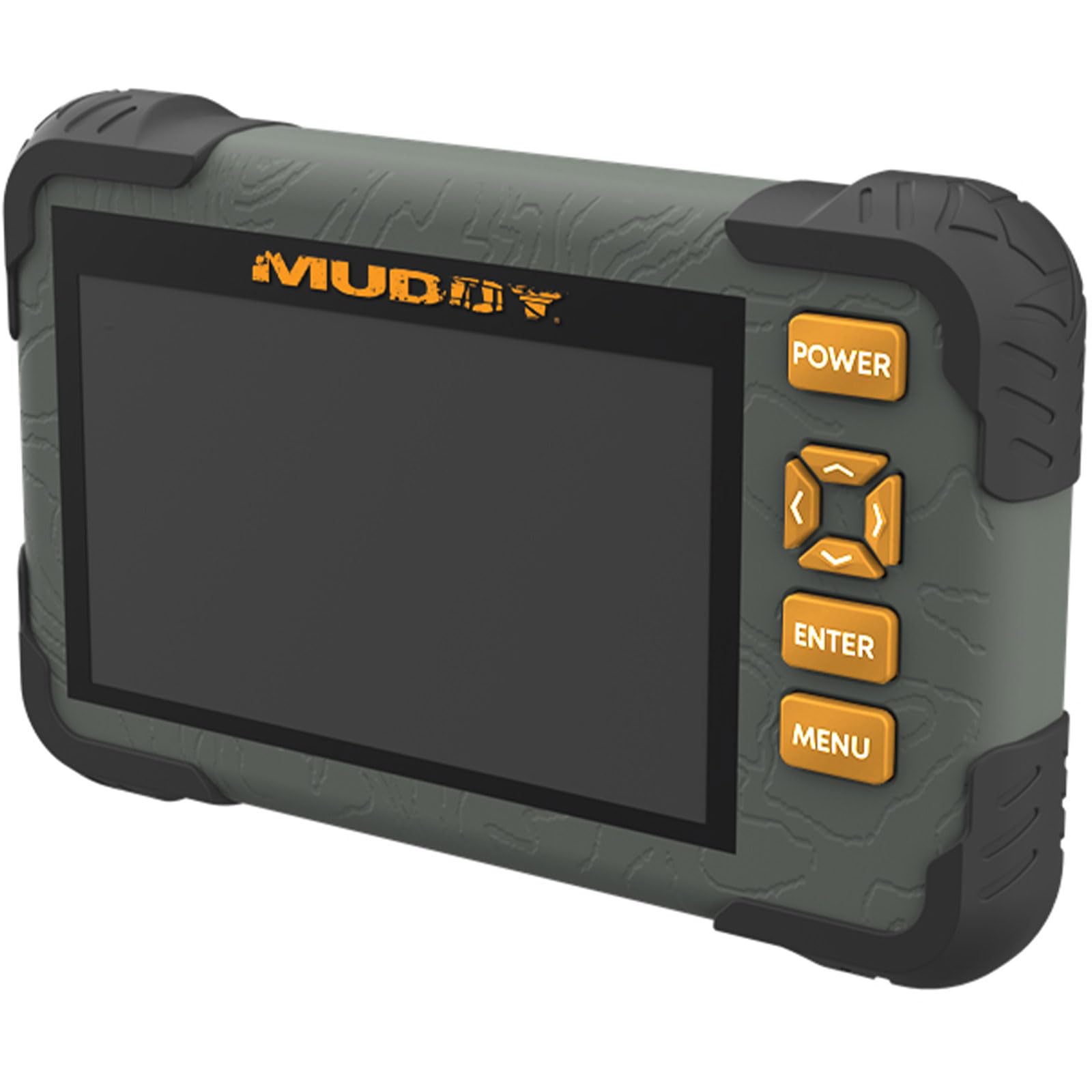
- Has a 4.3-inch color LCD screen for viewing media.
- Supports 1080p video playback and headphone audio.
- The SD card slot supports cards up to 32GB.
Best For: Hunters or outdoor users who want to view SD card media on a built-in screen with headphone audio.
Dual USB-C and USB-A Compatibility
SABRENT SD Card Reader USB C & USB A, Micro SD Card Reader, USB 3.0 Dual Slot Memory Card Adapter for Laptop PC Android (CR-BCA2)
This compact reader offers both USB-C and USB-A connections, which makes it useful when your devices do not all share the same port. Its two slots handle SD and microSD cards, including SDXC and microSDXC formats.
USB 3.0 supports transfers up to 5Gbps, with backward compatibility for USB 2.0. It is plug and play, works with Windows and macOS, and supports compatible Android devices.
An LED activity indicator helps show when it is working. Check that your specific Android device supports card access and that your card uses one of the listed formats.
Best For: People who move SD and microSD files between newer USB-C devices and traditional USB-A computers.
| Pros | Cons |
|---|---|
|
|
Choose this reader if you want one portable adapter for USB-C and USB-A hosts and mainly use SD or microSD cards. Its format coverage is focused, rather than the many older card types supported by the SABRENT multi-format reader.
Confirm compatibility with your particular Android device, since support is limited to compatible devices. Also check whether your workflow needs simultaneous access to two cards; that detail is not specified here.
UHS-II Transfers with an Integrated Cable
SABRENT USB Type-C Card Reader, Dual-Slot UHS-II SDXC and microSDXC SD 4.0 (CR-CSDM)
This dual-slot USB-C reader supports standard SD and microSD cards, including UHS-II formats, and can transfer through both slots simultaneously. Its stated card speed reaches up to 312MBps, while the host connection supports up to 5Gbps.
A built-in 6-inch USB-C cable avoids the need for a separate cable, and the reader is bus powered with no extra supply required. It is plug and play on Windows 8+ and macOS 12+.
Older SD cards are supported, but actual transfer speeds depend on the card and host connection.
Best For: Photographers using SD and microSD cards who want a USB-C reader with UHS-II support.
| Pros | Cons |
|---|---|
|
|
Consider this model when your cards support UHS-II and you want a built-in USB-C cable with two active slots. It has a higher stated card-transfer ceiling than the USB 3.0 readers in this selection, though your card and host also affect speed.
Check your computer's USB-C port and operating system requirements before buying. If you use USB-A hosts, confirm whether an appropriate conversion option is available.
Simple USB 3.0 Reader for Everyday Card Formats
SABRENT SuperSpeed 2 Slot USB 3.0 Flash Memory Card Reader for Windows, Mac, Linux, and Certain Android Systems Supports SD, SDHC, SDXC, MMC/MicroSD, T Flash [Black] (CR-UMSS)
This two-slot reader covers a useful mix of SD, SDHC, SDXC, MMC, microSD, and T-Flash cards. Its USB 3.0 connection is backward compatible with USB 2.0 hosts, and it draws power through the USB port, so it needs no separate supply.
Plug-and-play operation avoids a driver installation. The title names Windows, Mac, Linux, and certain Android systems, making host compatibility something to verify if you plan to use a phone or tablet.
It is a straightforward choice when you want broad everyday format support without a screen or extra connectors.
Best For: Users who need a basic USB reader for SD, microSD, MMC, or T-Flash cards.
| Pros | Cons |
|---|---|
|
|
Pick this reader for routine transfers when your cards fit its listed SD, microSD, MMC, or T-Flash formats and your host has a USB port. It is powered through that port and also works with USB 2.0 hosts.
The newer dual-connector SABRENT option is more convenient if you need USB-C and USB-A plugs in one device. Confirm Android compatibility for your exact system, and consider whether simultaneous card access matters to you.
Two-Slot SD and MicroSD Reader
SABRENT USB 3.0 Micro SD and SD Card Reader (CR-BYMS)
This compact two-slot reader is built around SD and microSD cards, including SDHC, SDXC, and UHS-I formats. It supports reading two cards simultaneously and uses USB 3.0, with a stated transfer rate up to 5Gbps.
The connection is backward compatible with USB 2.0 and 1.1, and an LED indicates power and activity. The listed operating system support covers Windows and Mac OS X 10 or higher.
Its focused format range suits common camera and mobile storage workflows, but check your card type and host connection before relying on it for a particular setup.
Best For: People who want simultaneous access to SD and microSD cards through USB-A.
| Pros | Cons |
|---|---|
|
|
This is a focused pick if your workflow uses SD and microSD cards and benefits from accessing two cards at once. The USB 3.0 connection also works with older USB 2.0 and 1.1 hosts, though those hosts can limit transfer rates.
Choose the USB-C and USB-A SABRENT reader if you need both connector types built in. Before purchase, verify the host operating system and whether your setup requires an adapter.
Broad Legacy Card Format Coverage
SABRENT 75 in 1 Multi Flash Media Card Reader/Writer(with Power Cord) (CRW-UINB)
This six-slot reader supports 74 different types of memory cards and includes formats such as M2, xD, SD, SDHC, SDXC, MMC, microSD, CompactFlash, and Memory Stick. Some cards may require an adapter.
It also has one USB 2.0 port and an internal power connector intended to provide sufficient power to external USB devices. Operating system support includes older Windows versions, Linux, and Mac OS X.
This is a practical fit for a desk that handles varied cards, especially legacy media. Check the exact card format and adapter needs before buying.
Best For: Users handling a mix of current and older memory card formats from one reader.
| Pros | Cons |
|---|---|
|
|
Choose this reader if format breadth matters more than a newer high-speed connection. It covers many legacy card families and adds a USB 2.0 port, while some other readers may be more focused on SD and microSD transfers.
Verify whether your particular card needs an adapter, and make sure the host connection suits your workflow. The internal power connector is intended to support external USB devices, so check whether that feature matches your setup.
Screen-Based Outdoor Photo and Video Viewing
Muddy CRV3 HD SD Card Viewer - Durable Water-Resistant Hunting Outdoor SD Card Reader/Viewer with 4.3" LCD Screen & Headphone Jack for Audio - Supports up to 32GB
Unlike a basic computer card reader, this Muddy device combines an SD card slot with a 4.3-inch color LCD screen and 1080p video playback. It also has a headphone jack for audio and an intuitive menu.
The supported SD card capacity is up to 32GB, which is an important constraint when choosing media. Its screen-based design is suited to checking photos and videos away from a computer, particularly in an outdoor setting.
Check that your card capacity stays within the supported limit and that the playback formats meet your needs.
Best For: Hunters or outdoor users who want to view SD card media on a built-in screen with headphone audio.
| Pros | Cons |
|---|---|
|
|
This option fits a different use from the USB readers: it provides a screen and audio output for checking SD card media away from a computer. Its up-to-32GB card limit narrows the choice of media, so verify your card capacity before buying.
If you mainly need to transfer files to a laptop, a USB 3.0 reader with SD and microSD slots is a more direct match. Check playback format compatibility for the files you plan to view.
How to Choose Memory Card Readers
How We Picked Memory Card Readers
We selected readers for distinct needs: broad format coverage, everyday SD and microSD access, newer USB-C hosts, UHS-II cards, and screen-based viewing. Each product has a clearly described reader or viewer function, while the internal 3.5-inch model is not suited to the typical portable reader search.
Start with the card family you actually use. SD and microSD readers cover common camera and mobile media, while the six-slot SABRENT model adds M2, xD, CompactFlash, Memory Stick, and other formats.
Legacy cards may need an adapter, so confirm the exact format before choosing.
Comparing Memory Card Readers
The key differences are card support, host connector, and what happens after insertion. The SABRENT UHS-II model supports simultaneous transfers through both slots and a stated card speed up to 312MBps.
USB 3.0 options list up to 5Gbps at the host interface, but card and host capabilities affect the result.
For flexibility across computers, the dual USB-C and USB-A reader serves both connector types. The basic two-slot SABRENT reader and the USB 3.0 Micro SD and SD model focus on SD-family cards, with the latter explicitly supporting simultaneous two-card reading.
The multi-format six-slot model is aimed at varied and older media, with USB 2.0 as its connection.
| Product | Standout features | Best for |
|---|---|---|
| SABRENT USB-C & USB-A SD/Micro SD Card ReaderCheck Price |
| People who move SD and microSD files between newer USB-C devices and traditional USB-A computers. |
| SABRENT USB-C Dual-Slot UHS-II Card ReaderCheck Price |
| Photographers using SD and microSD cards who want a USB-C reader with UHS-II support. |
| SABRENT SuperSpeed 2 Slot USB 3.0 ReaderCheck Price |
| Users who need a basic USB reader for SD, microSD, MMC, or T-Flash cards. |
| SABRENT USB 3.0 Micro SD and SD Card ReaderCheck Price |
| People who want simultaneous access to SD and microSD cards through USB-A. |
| SABRENT 75-in-1 Multi Flash Card Reader/WriterCheck Price |
| Users handling a mix of current and older memory card formats from one reader. |
| Muddy CRV3 HD SD Card ViewerCheck Price |
| Hunters or outdoor users who want to view SD card media on a built-in screen with headphone audio. |
Check Card Formats and Host Compatibility
Match the card's full format to the reader rather than relying on a broad label such as SD. SDHC and SDXC appear on several options, while UHS-II support is specifically identified on the SABRENT USB-C reader and UHS-I on the two-slot SD and microSD model.
For older formats such as xD, M2, CompactFlash, or Memory Stick, check both the slot coverage and any adapter requirement.
Then verify the host port and operating system. USB-C and USB-A support on one reader can simplify switching between computers.
Other models use a single USB interface or have a built-in USB-C cable. Android compatibility is device-specific for several products, so confirm it for your phone or tablet before purchase.
Choosing a Reader for Travel, Desk, or Field Use
A small USB reader is a practical fit for laptop transfers and camera workflows, while broad slot coverage makes sense for a desk that handles many card types. If you want to inspect images or video without a computer, the Muddy viewer has a 4.3-inch screen, headphone jack, and 1080p playback.
Its SD capacity limit of up to 32GB makes media capacity an essential check.
Power and setup can also shape the choice. Several USB readers draw power from the host, and the SABRENT UHS-II model includes a 6-inch cable.
The multi-format reader adds an internal power connector and a USB 2.0 port, while the viewer's power arrangements are not specified. Check included connection pieces and power needs for your intended location.
Who Should Buy Which Memory Card Reader?
Choose the UHS-II SABRENT reader for compatible SD and microSD cards and simultaneous slot transfers. Pick the USB-C and USB-A model when you move files among hosts with both connector types.
For simpler SD and microSD access, the basic SABRENT USB 3.0 reader offers broad everyday formats, while the other two-slot reader explicitly supports simultaneous reading.
For mixed legacy media, choose the 75-in-1 external reader and verify adapter requirements. For field viewing, the Muddy device is the only option here with an integrated screen and headphone audio; confirm that your SD card stays within its capacity limit and that your files are playable.